Dear Friends,
As we step into 2026, we look back at 2025 as a year of turning conversations into concrete change. Across Pakistan, communities, government departments, citizens, and civil society came together to identify real challenges, co-create solutions, and take collective action. Civic engagement became personal, collaborative, and deeply impactful, proving that when people act together, change is possible.
A major highlight of the year was the launch of the E-Abyana Digital Water Billing System by the Chief Minister of Khyber Pakhtunkhwa (KP), a step forward in transparent and accountable governance for farmers across the province.
Digital Solutions: Spotlight on E-Abyana
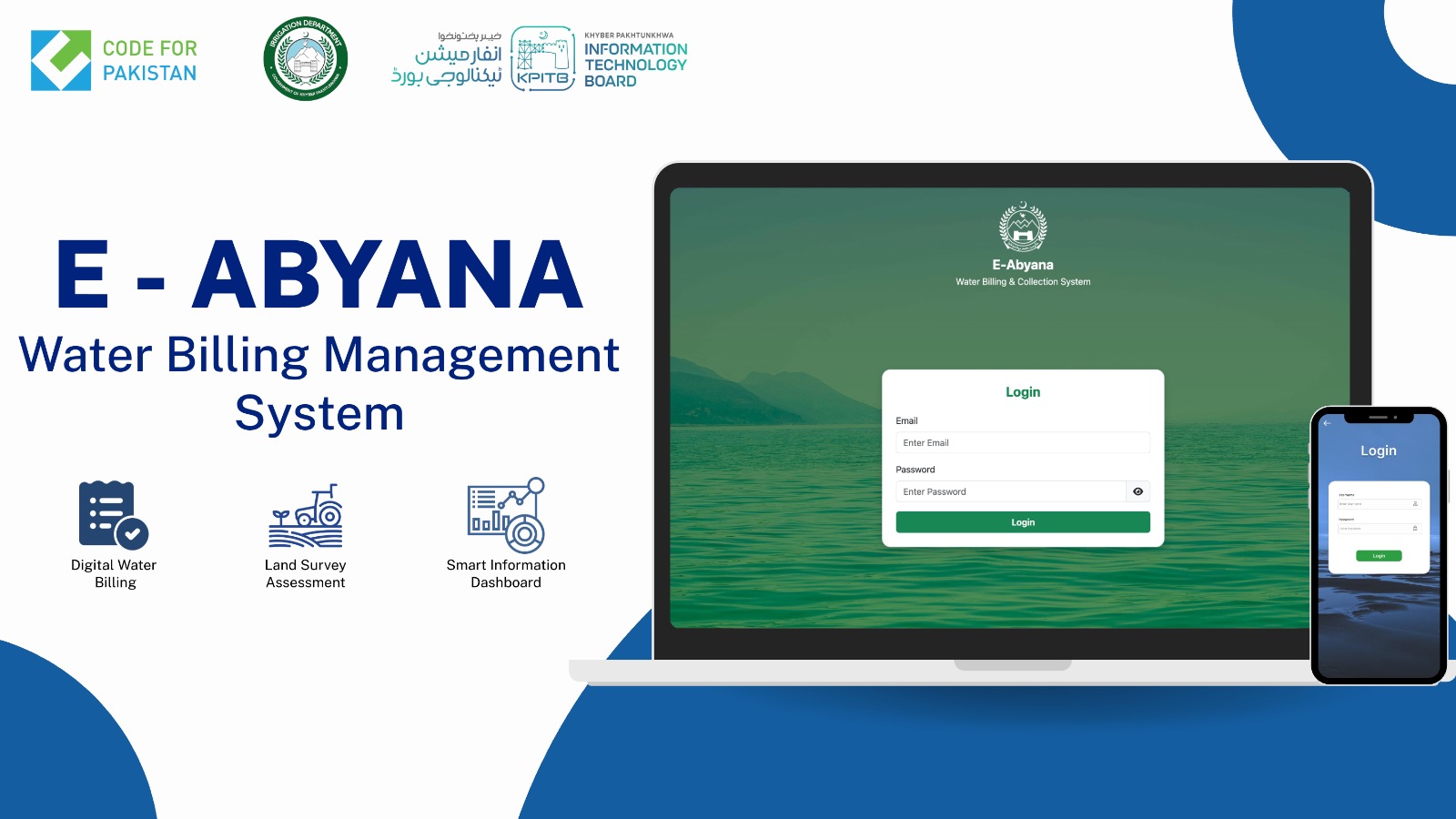
E-Abyana Water Billing Management System launched by Chief Minister Khyber Pakhtunkha
E-Abyana digitizes irrigation billing and tracks collections in real time, making processes more transparent and accountable than ever before. By bringing together government officials, civic tech innovators, and local communities, E-Abyana shows how collaboration can tackle real problems on a large scale.
For farmers across Khyber Pakhtunkhwa, this means smoother access to services, fairer billing, and greater confidence that their voices and needs are being heard. The launch of the platform demonstrates how technology, when combined with active government participation, creates practical solutions that touch people’s daily lives, strengthening trust, efficiency, and community impact.
Another highlight of 2025 was our Civic Townhalls (Guftugus), which mobilized citizens to participate in shaping local priorities; from climate resilience and youth employability to air quality and waste management. From Mardan to Karachi, participants from these sessions are now actively engaging in their communities, turning dialogue into real, measurable impact.
Civic Participation in Action: Spotlight on Karachi Guftugu
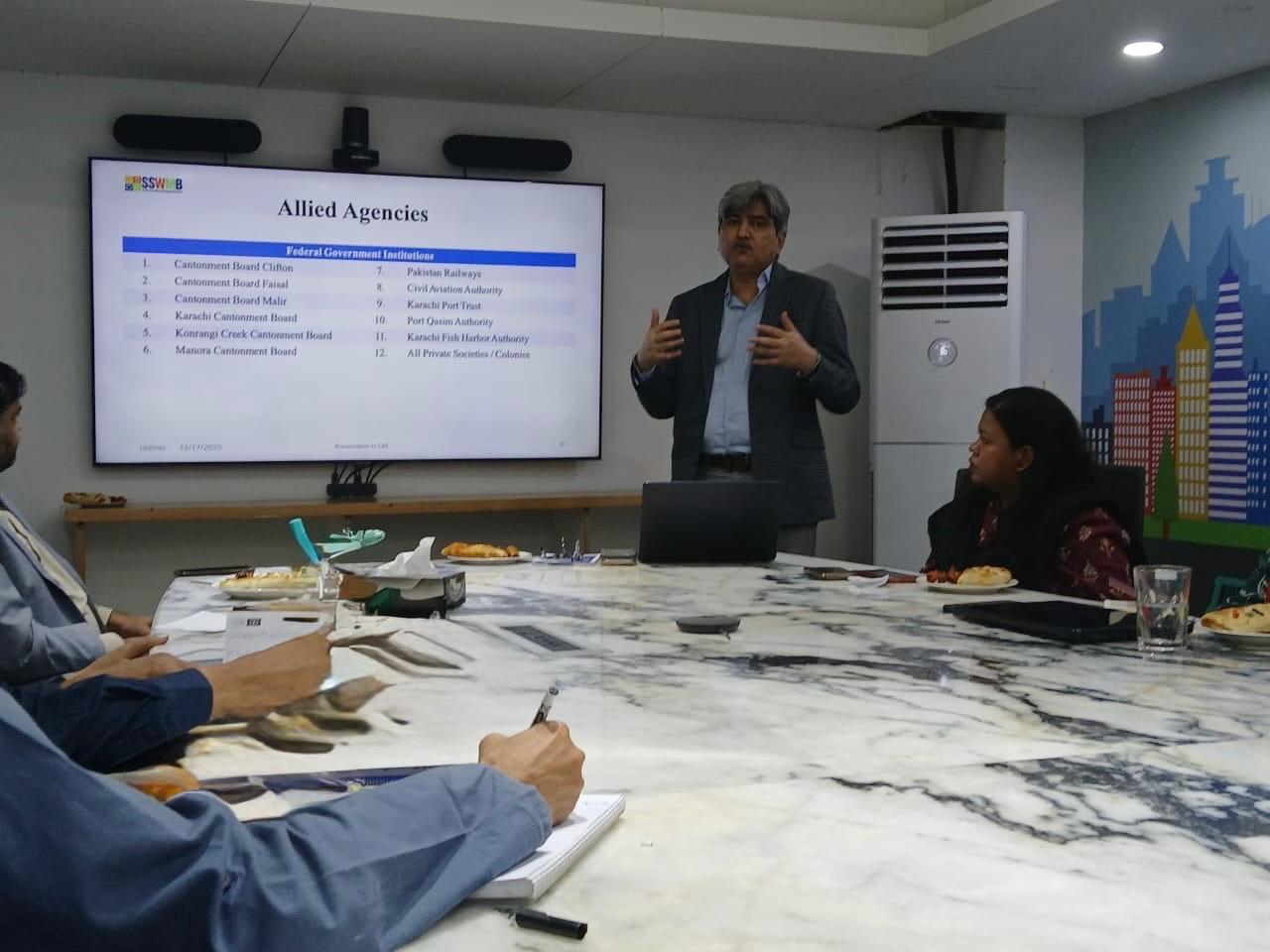
Karachi Citizen R&D Cell
After our Karachi Guftugu, which focused on the topic of solid waste management, participants have been actively following up on solutions, organising initiatives, and collaborating directly with government departments, turning dialogue into real-world civic action. This is a prime example of citizens shaping policies and services in their communities.
Finally, many of you – our incredible volunteers – continue to be at the forefront of civic innovation.
Civic Innovation Volunteers: Spotlight on Ammaz Khan
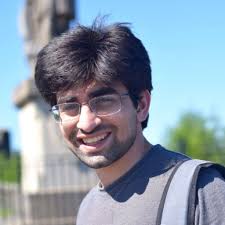
Ammaz Khan, CfP Volunteer
Ammaz Khan, a Code for Pakistan Volunteer, won the Flood Hackathon organized by The Enlight Lab. Ammaz demonstrated how volunteer mapping and open-source data can strengthen flood relief and disaster preparedness by using OpenStreetMap. His solution supported NGOs in local disaster response using AI, creating early warning systems, drone rescue insights, and hygiene support solutions.
Ammaz's work shows how volunteers can turn civic engagement into data-driven, actionable insights and solutions that guide communities and organizations in responding more effectively to crises.
Across initiatives, our work is guided by one core principle: democratic participation is not just a value, it is a practice. Every civic hackathon, mapathon, dialogue, and digital platform reinforces the ability of citizens to actively shape the decisions that affect their communities.
Looking Ahead to 2026
As we move into 2026, we remain committed to strengthening civil society, deepening citizen-government collaboration, growing local leadership, and leveraging technology, transparency, and civic engagement in governance across the country.
Thank you for being part of this journey. Here’s to a year of continued civic action and collective impact!
With gratitude,
The Code for Pakistan Team
Stay Connected With Us: LinkedIn | Twitter (X) | Facebook | Instagram