Across Khyber Pakhtunkhwa (KP), both government officers and ordinary citizens face a persistent challenge: access to reliable, up-to-date information on laws, policies, and administrative procedures. Whether it's a revenue officer trying to confirm the latest revenue rules or a citizen seeking clarity on domicile requirements, the process often involves digging through scattered websites, outdated PDFs, and informal WhatsApp groups. Officers routinely spend hours verifying information before taking action, slowing down service delivery. Meanwhile, students, business owners, and job seekers are left to navigate a confusing maze of unofficial sources — a gap that not only delays decisions but also widens the trust deficit between people and the state.
Govt-GPT: Making Government Information Accessible Instantly
This is exactly the problem that Govt-GPT, Code for Pakistan's AI powered legal and policy assistant, set out to solve: bringing clarity, accessibility, and confidence to how people in KP seek and understand government information.

Enter Tabinda Qudrat, a young woman from Bannu whose journey into civic tech began against all odds. After joining the KP Women's Civic Digital Internship and later the Government Innovation Fellowship Program, Tabinda became one of the lead builders of Govt-GPT, the first AI powered government information system in KP.
Under her team leadership, the Fellows:
- Curated hundreds of official documents
- Built and trained Govt-GPT on verified government data
- Co-designed the system with KPITB officers
- Tested the platform with staff handling citizen queries
The result: Even in its beta phase, Govt-GPT helps officers make faster, more consistent decisions, reduces dependency on manual verification, and lays the foundation for AI-driven public services. Citizens will soon benefit from instant access to verified, easy to understand government information, resulting in fewer visits to offices, clearer guidance, and greater trust in government.
Fellow Spotlight: Tabinda Qudrat
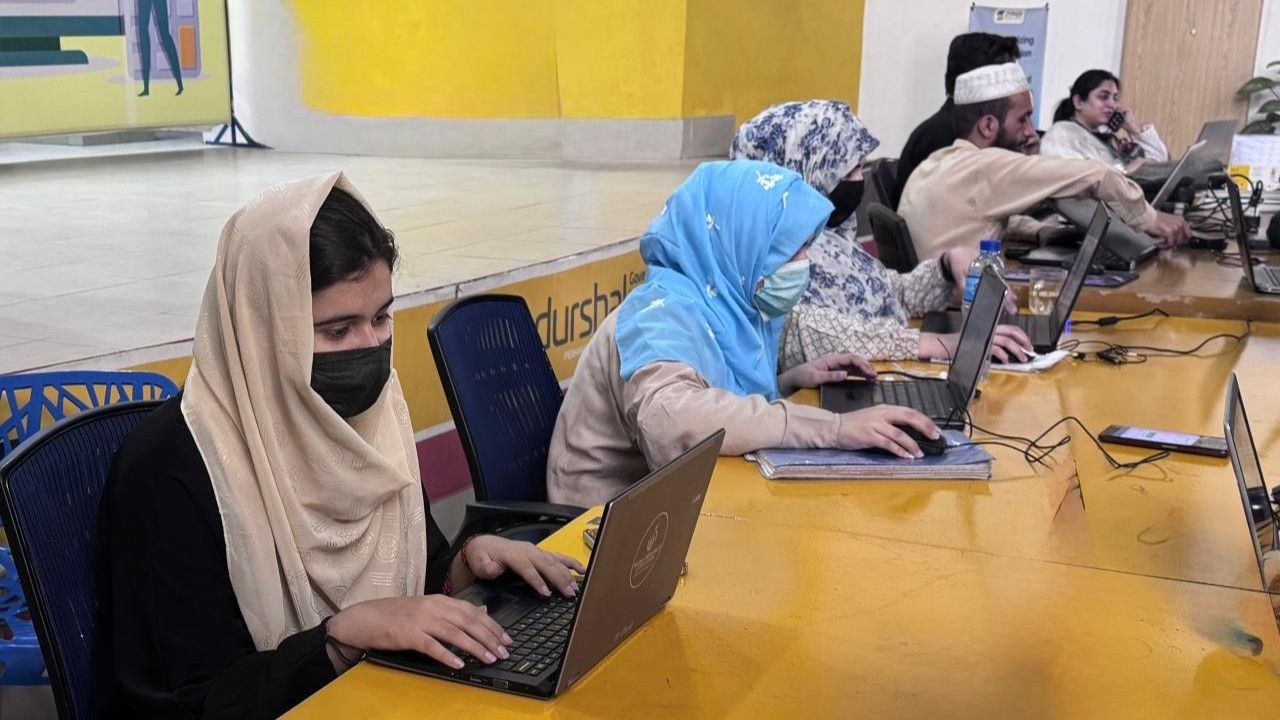
Govt-GPT is currently in beta at KPITB, with a public launch coming soon. We'd love for you to try Govt-GPT Beta and send us your feedback!
Stories like these fuel our mission, and they guide the work we do every day.
Civic Innovation Inside Government
Our Fellowship teams work within government institutions to transform public systems and deliver real solutions used daily:
- AI based crop pest & disease detection for small farmers
- Government-GPT to help citizens access laws, services, and rights
- Digitized NGO licensing system cutting delays and paperwork
- Water billing platforms now used by thousands of farmers
These tools strengthen transparency, efficiency, and public trust.
Water & Climate Resilience
Our initiatives strengthen water systems, protect communities from climate related challenges, and ensure long term environmental sustainability.
- Deploying the E-Abyana digital water billing system
Through the E-Abyana digital water-billing system, farmers can view their usage, pay bills online, and receive SMS notifications, replacing slow and manual processes. By digitizing records and streamlining payments, the system reduces errors, builds trust, and helps the government manage water resources more effectively.
Bringing transparency and efficiency to agricultural irrigation across KP. So far:
- 200+ government field staff have been trained
- The pilot system was launched in Mardan
- Over 20,000 farmers now have their water usage and billing records digitized, enabling transparent, easy to track payments and real time notifications.
This shift from manual billing to digitization is improving accuracy, accountability, and revenue collection for the Irrigation Department.
Better data means better decisions and better outcomes for communities.
Safer Healthcare Access
Through the KP Pharmaceutical Licensing digital system, pharmacies and pharmacists can now apply for licenses, renew them, and get verified online, replacing slow, manual, paper based processes. By digitizing records and streamlining verification, the system reduces errors, builds trust, and helps the government regulate pharmacies more effectively.
- Pharmacy licensing time dropped from months to 7–10 days
- 21,000 pharmacies were licensed
- 15,000+ pharmacists were verified
Transparent systems protect lives.
Strengthening Governance in Gilgit-Baltistan
We are supporting Gilgit-Baltistan with:
- Digital tools like a Task Management System and Vehicle Monitoring Dashboard to improve accountability as well as improve efficiency and effectiveness by reducing paperwork
- A new Open Data Portal, which is underway and expected to be a first for the region
Opening data opens accountability.
Community Engagement & Civic Literacy
Our volunteers bring civic participation directly to the public:
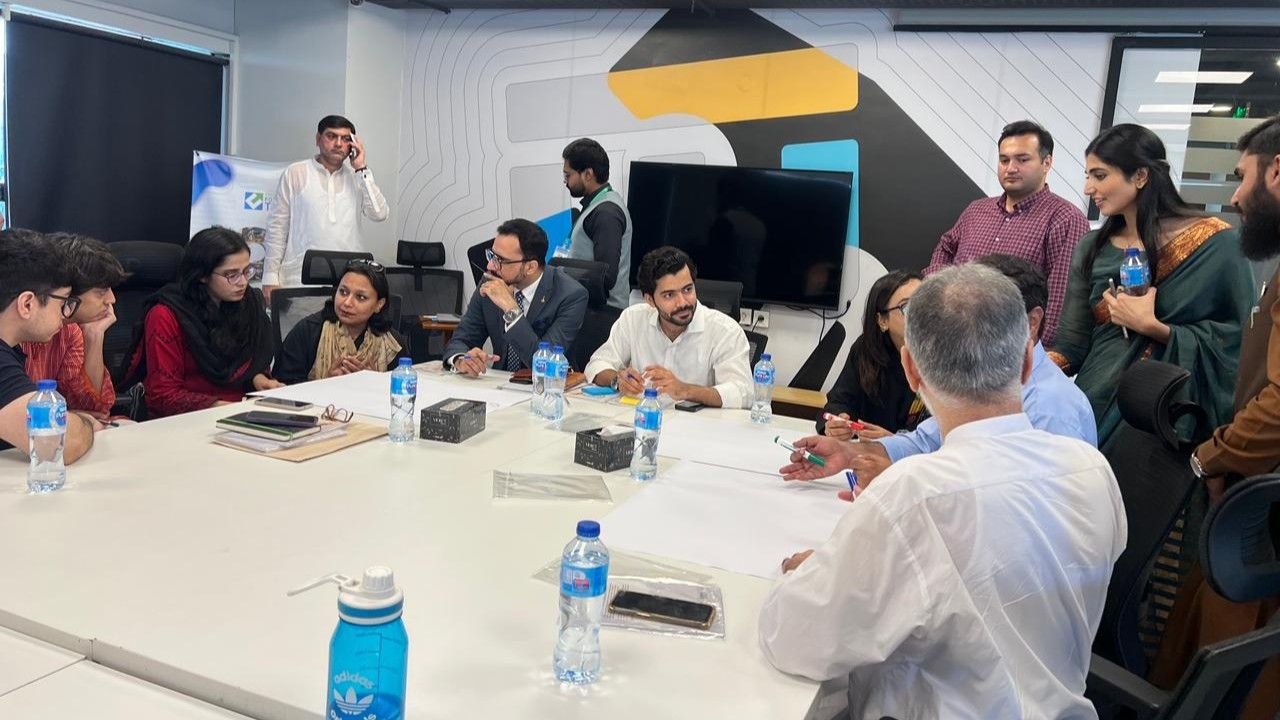
- In the last six months, we have held Gufutgus (town halls) on citizen rights and public services in Mardan, Charsadda, and Lahore, bringing together around 150 participants from government, academia, industry, and civil society. These discussions identified 15 different pressing issues, including improving urban infrastructure, enhancing job prospects for graduate youth, confronting the looming climate crisis, tackling air quality and smog, and more, providing a clear roadmap for collective action.
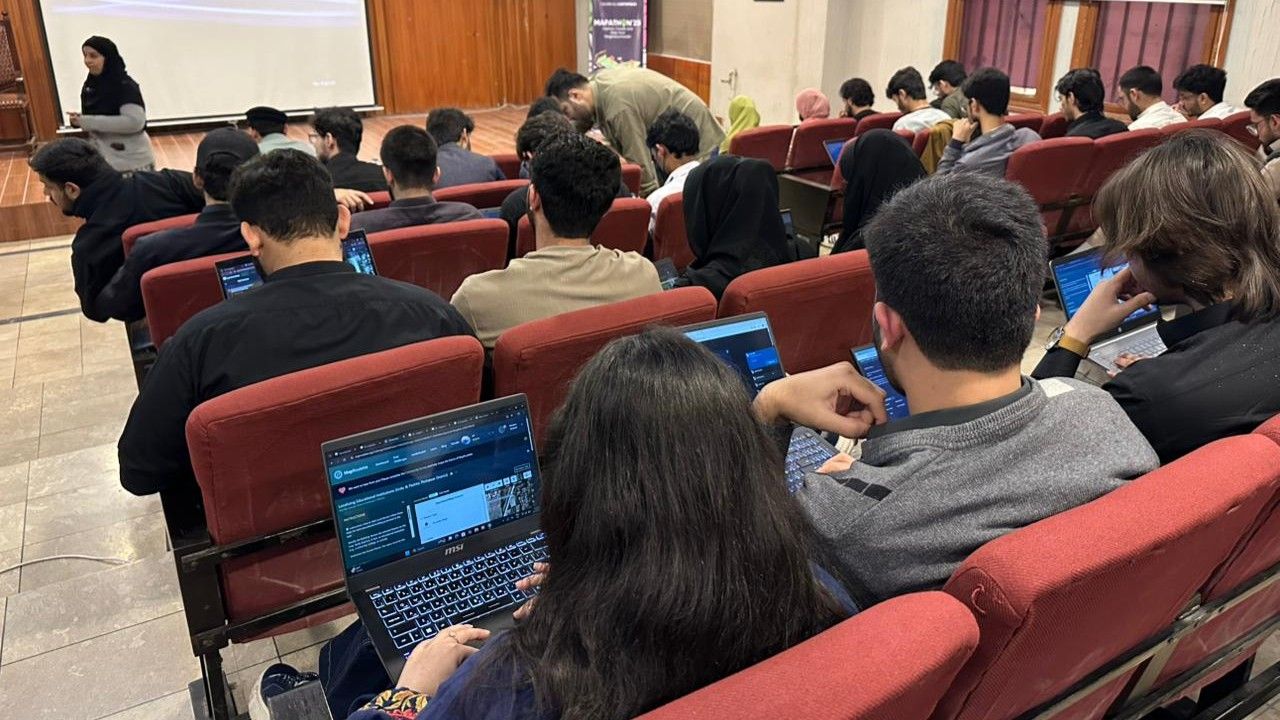
- Our team organized a Mapathon in collaboration with OpenStreetMap, bringing together more than 70 passionate volunteers from our Civic Innovation Labs in Lahore and Peshawar. What started as a shared learning experience turned into a powerful act of civic contribution, mapping disaster prone and underserved areas so that responders can reach people faster, and communities can access essential services when they need them most.
- Numainda is an AI powered chatbot developed by Code for Pakistan that serves as a "digital gateway” to the laws, constitution, and parliamentary proceedings of Pakistan. On Numainda, anyone can ask questions in English or Urdu, and get clear, human friendly explanations about complex legislation, citizens' rights, electoral rules, and constitutional provisions.
These initiatives empower citizens to engage meaningfully with public services, laws, and governance.
Why Your Support Matters This Giving Tuesday
Your contribution helps us:
- Empower more people like Tabinda with professional pathways in civic tech.
- Expand civic innovation in government with digital tools that make public services more efficient, transparent, and responsive, while bringing more citizens into civic participation.
- Build open data platforms to improve transparency and accountability.
- Train the next generation of technologists to work for the public good.
When someone gains access, skills, knowledge, and confidence, they start improving not just their own lives, but those of their entire community.
Join Us in Building a More Equitable, Transparent Pakistan
Your Giving Tuesday support doesn't just fund programs. It fuels stories of resilience, systems of accountability, and pathways to opportunity for thousands across the country.
Thank you for supporting civic tech and the future of public good. Your support means the world to us, it is what enables Code for Pakistan to keep building meaningful, impactful public-good technology. Please note that your donation is tax-deductible, as Code for Pakistan is registered in the US as Tech for Change, a 501(c)(3) nonprofit.