
Annual Report 2025
Driving Democratic Strength Through Digital Civic Solutions, Government Partnerships, and Citizen Participation
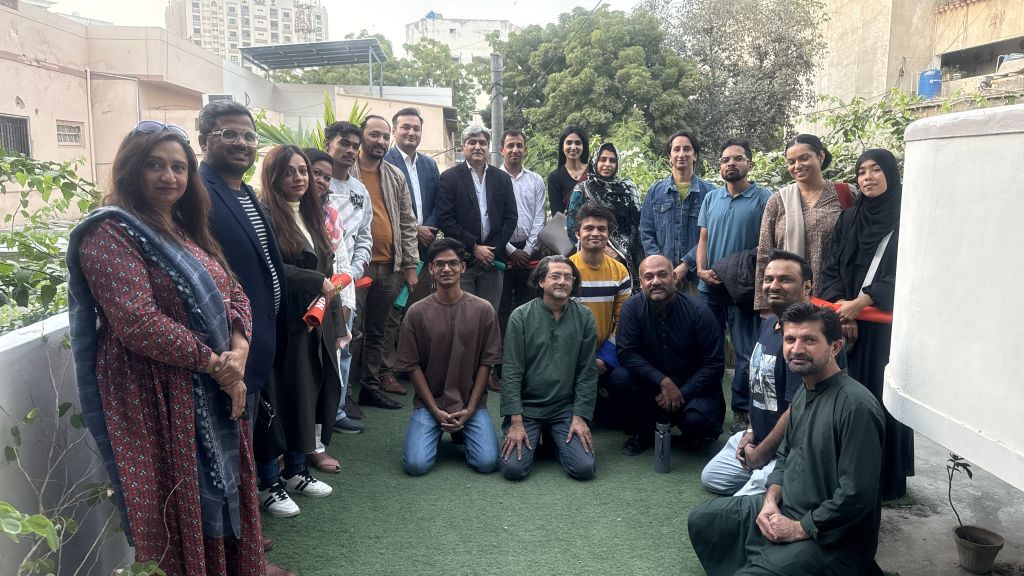

From Dialogue to Action: Strengthening Civic Participation
As I reflect on 2025, what stands out most is not just what Code for Pakistan delivered, but who made it possible. This year's progress is a testament to the collective effort of our community: the public servants who opened doors to change, the technologists and designers who gave their time and skills, the students and young leaders who showed up with curiosity and courage, and our partners and supporters who believed in the long view of civic transformation.
Together, we engaged with over 15 government departments, trained more than 400 public servants, and supported the deployment or adoption of multiple digital systems aimed at enhancing how the government serves its people. The launch of the E-Abyana Digital Water Billing System by the Chief Minister of Khyber Pakhtunkhwa was a powerful milestone — not just as a technology achievement, but as a signal of what's possible when trust, collaboration, and user-centred design come together in the public sector.
Equally important were the spaces we created for dialogue and participation. Through community Guftugus (structured civic dialogues), we listened, learned, and worked alongside communities and government to surface local priorities and turn them into actionable paths forward. Our launches of Civic Innovation Labs in universities, along with the mobilisation of over 200 student and youth volunteers, reaffirmed our belief that sustainable civic change depends on nurturing local leadership and investing in the next generation.
None of this work happens in isolation. Code for Pakistan exists because of a deeply committed community that cares about dignity, access, and accountability in public services. To everyone who participated, supported, donated, and stood with us in 2025… thank you. Your trust and partnership fuel our mission, and together, we are building a stronger foundation for civic innovation and democratic participation in Pakistan.
With gratitude, Sheba Najmi — Founder & Board Chair, Code for Pakistan
Highlights
In 2025, civic engagement deepened in both intent and impact. Civic dialogues (Guftugus) became central to Code for Pakistan's approach, increasingly leading to co-designed solutions and system-level implementation. Working across provinces with citizens, government departments, and civil society, these structured dialogues helped identify shared challenges and embed measurable, actionable outcomes within governance processes.
Our goal remained consistent: empower communities to actively shape decisions that affect public life.
2025 at a Glance: Impact in Numbers
15+
government departments engaged
400
government officials trained
8+
digital systems deployed
200+
youth volunteers mobilised
5
community townhalls conducted
300+
participants in community townhalls
3
Civic Innovation Labs launched
2025's Key Achievements
In 2025, Code for Pakistan (CfP) sharpened its focus on turning civic engagement and digital innovation into tangible improvements within governance systems. Working closely with citizens, government partners, and civil society, while grounding our interventions in inclusive, community-led civic dialogue, we continued beyond problem identification to solution design, piloting, and institutional adoption.
- The successful completion of the 8th cohort of the KP Government Innovation Fellowship , strengthening in-house public sector capacity for digital and civic innovation.
- The completion of the Civic Innovator Program, supporting emerging changemakers to design and implement citizen-centred solutions.
- The completion of the 3rd cohort of the KP Women's Civic Internship Program advances women's participation and leadership in civic and governance spaces.
- The expansion of Civic Innovation Labs and youth-led initiatives across regions, strengthening local leadership, building civic capacity, and creating sustainable pathways for ongoing civic engagement.
- The official launch of the E-Abyana Digital Water Billing System by the Chief Minister of Khyber Pakhtunkhwa marked a major milestone in digitising irrigation management and water revenue systems.
- Significant progress in the design, testing, and launch-readiness of multiple government digital systems , developed in partnership with public sector departments. These included Government GPT , the NGOs Registration System , the Advertisement Management System , the AI-Powered Plant Disease Detection App , and new civic platforms such as Tarbiyat , along with enhancements to Watchtower .
- Five civic dialogues (Guftugus) held across regions, surfacing and translating citizen priorities into clearly defined, actionable outcomes and demonstrating effective pathways from public consultation to implementation.
Driving Government Service Delivery
KP Government Innovation Fellowship
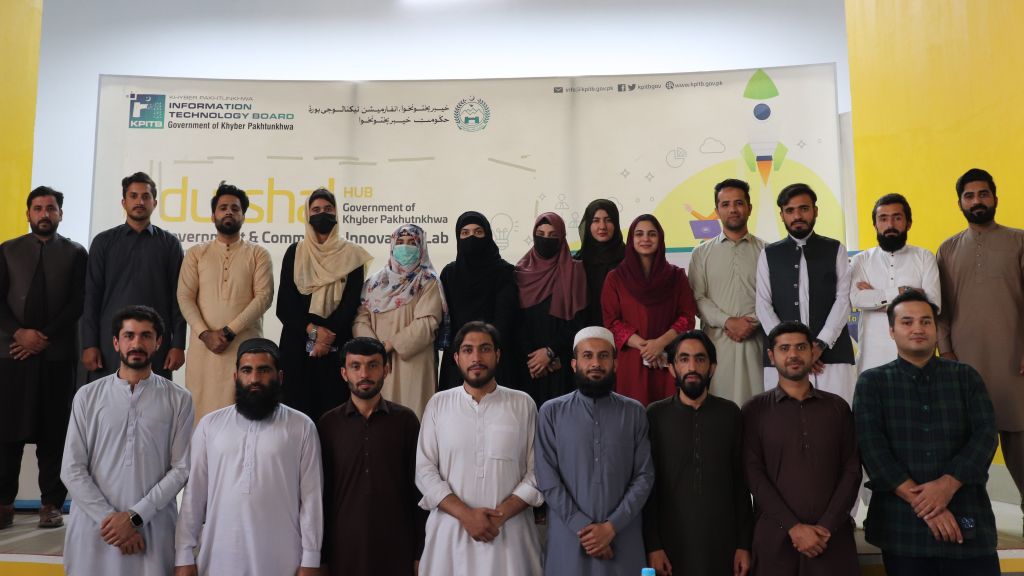
The KP Government Innovation Fellowship strengthens the government's capacity by embedding skilled professionals within departments to co-create and implement high-impact digital solutions.
In 2025, during the 8th cohort of the Fellowship, the Fellows trained over 200 field officers across 18 subdivisions, ensuring that the newly developed systems could be effectively used and maintained at the local level. Systems were continuously refined based on departmental feedback, allowing solutions to evolve in response to real-world operational challenges.
Departments gradually assumed full ownership of deployed systems, ensuring sustained adoption and long-term impact. Throughout the Fellowship, structured mentoring, including on-site technical sessions and regular mentor calls, helped deliver robust, scalable solutions that improved efficiency, transparency, and service delivery. By combining hands-on training, iterative system refinement, and institutional handover, the Fellowship translated innovative digital solutions into measurable improvements in governance and public services.

During the 8th cycle of the KP Government Innovation Fellowship, our focus was on delivering province-wide, high-impact digitisation while laying the groundwork for next-generation digital governance. Fellows worked alongside government departments to digitise critical systems, including farm water billing, NGO registrations, and public information workflows, while also piloting AI-enabled solutions such as GovGPT to improve access to rules and policies for both officials and citizens, and AI-powered plant disease detection to support the Agriculture Department. Marking ten years since the Fellowship's launch in 2014, this cycle reaffirmed the program's core strength of enabling user-centric, sustainable digital transformation through civic innovation and public-private collaboration.
Muhammad Ibraheem, Senior Manager Programs, CfP
E-Abyana: Transforming Irrigation Governance
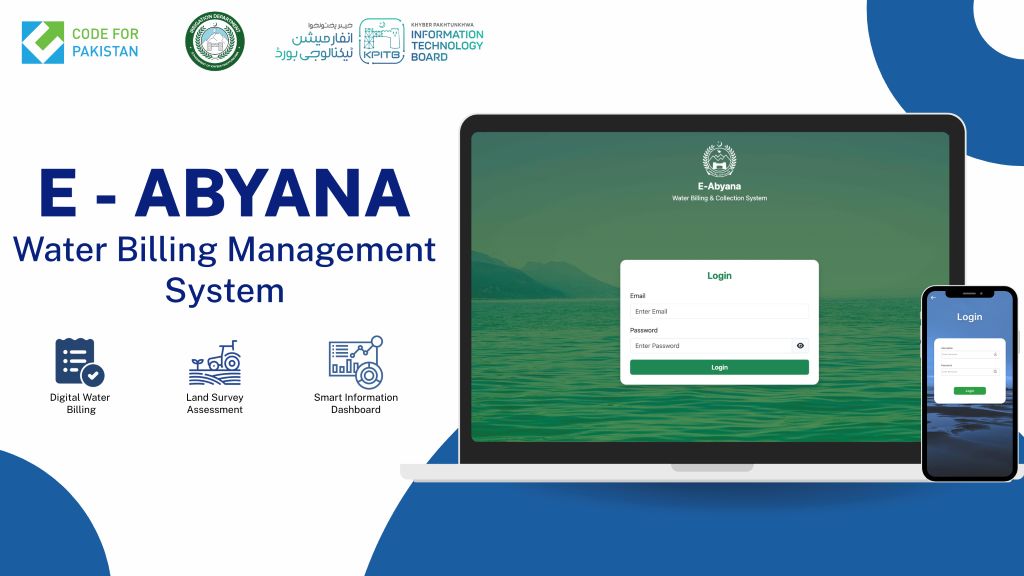
For decades, irrigation water billing in Khyber Pakhtunkhwa relied on fragmented, manual records that were prone to errors, delays, and inconsistencies. Farmers often faced unclear or inaccurate bills, limited visibility into their payment history, and long administrative processes to resolve disputes, which contributed to revenue leakages for the government and mistrust among water users.
To address these challenges, the E-Abyana Digital Water Billing Management System was developed under the 8th Cycle of the KP Government Innovation Fellowship, a partnership between the Khyber Pakhtunkhwa Information Technology Board (KPITB) and Code for Pakistan.
Officially launched by the Chief Minister of Khyber Pakhtunkhwa on 31 December 2025, E-Abyana digitises the entire irrigation billing process by mapping and digitising irrigation outlets and water channels, maintaining centralised records of farmers, landholdings, and crop data, generating secure electronic Abyana bills, and tracking payments in real time through interactive dashboards, while enhancing transparency, accuracy, and departmental oversight.
This system makes irrigation billing simpler, faster, and more reliable for farmers, who now receive accurate, timely, and easily accessible bills, reducing disputes and administrative delays. At the same time, the centralised data and real-time monitoring support fair treatment and better-maintained irrigation infrastructure, resulting in more predictable water supply, improved trust in governance, and ultimately stronger agricultural productivity and livelihoods.
The launch of the E-Abyana Digital Billing System marks an important step towards transparent and efficient governance in Khyber Pakhtunkhwa. By digitising core irrigation and billing processes, the government is making public services more accessible, accountable, and citizen-friendly. Digital transformation across provincial departments remains a key priority, with a strong commitment to completing end-to-end digitisation to improve service delivery for farmers and citizens alike.
The launch demonstrates how civic tech talent, when embedded within government systems, can facilitate long-term institutional reform rather than relying on standalone digital solutions. Read more about E-Abyana .
Fellowship Projects
In addition to E-Abyana, Code for Pakistan supported the deployment and adoption of several digital governance tools under the 8th cohort of the KP Government Innovation Fellowship:
NGOs Registration System
Social Welfare Department
Digitises registration, verification, and reporting workflows, enabling the department to monitor compliance in real time while making key information publicly accessible. Streamlines NGO registration and oversight, reduces administrative backlogs, and strengthens accountability.
Visit SystemAdvertisement Management MIS
Information & Public Relations Department
Digitises and automates reporting and payment workflows for government advertisements, enabling staff to generate, track, and reconcile requests and payments through a single integrated system.
Learn MoreAI-Powered Plant Disease Detection
Agriculture Department
Provides real-time, field-ready diagnostics along with actionable treatment recommendations, enabling staff and farmers to respond quickly, protect crops, and increase yields.
Learn MoreGovernment GPT
KP IT Board
AI-powered access to internal government knowledge, enabling staff to find accurate information quickly and make informed decisions. Enhances efficiency, accelerates service delivery, and enables better governance.
Try ItEach solution is accompanied by structured training and documentation, and aims to improve efficiency, transparency, and service delivery as it moves through testing and phased adoption.
AI in Government
In 2025, Code for Pakistan collaborated closely with government institutions and partner organisations to enhance digital governance by developing technical capacity, standardising digital systems, and promoting the sustainable adoption of innovative solutions.
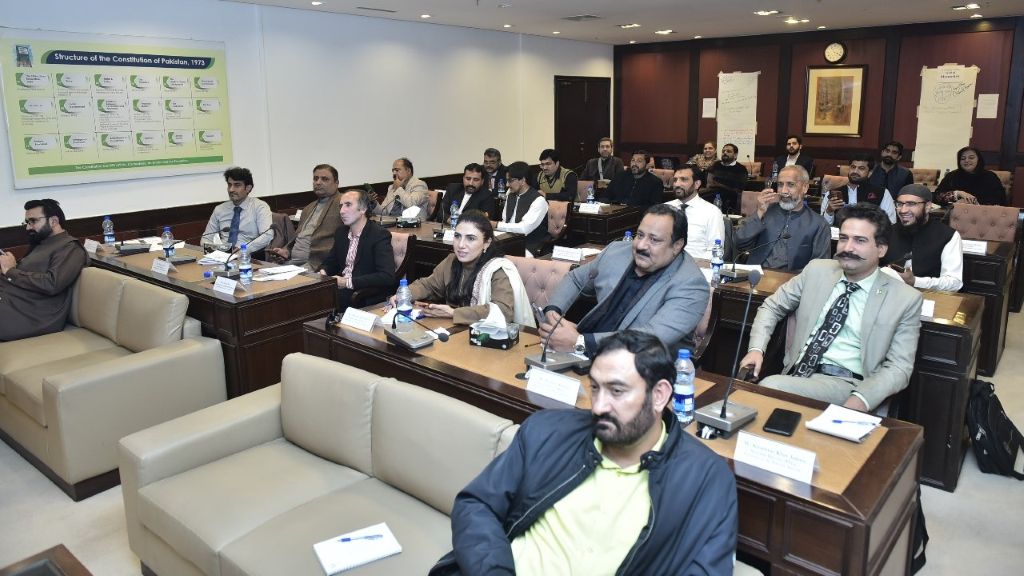
In partnership with the Pakistan Institute of Parliamentary Services (PIPS), Code for Pakistan delivered a high-level training session, "Emerging Trends in Office Work: Use of Artificial Intelligence." Led by Ali Raza, CfP's Senior Principal Technologist, the session brought together 25 participants from provincial assemblies across Pakistan, providing hands-on guidance on practical AI applications to improve legislative research, document processing, communication, and administrative workflows.
The training also covered the responsible adoption of AI and explored how provincial assemblies can leverage these tools to enhance transparency, constituent services, and decision-making. Structured handover and comprehensive documentation ensured participants could continue applying these skills independently, supporting long-term capacity building and sustained adoption.
Civic Participation
Engaging citizens across cities through structured civic dialogues.
Guftugus: Engaging Citizens Across Cities
5 Civic Town Halls (Guftugus) were convened in 2025, each addressing locally relevant challenges and facilitating collaboration between citizens, government, and civil society.
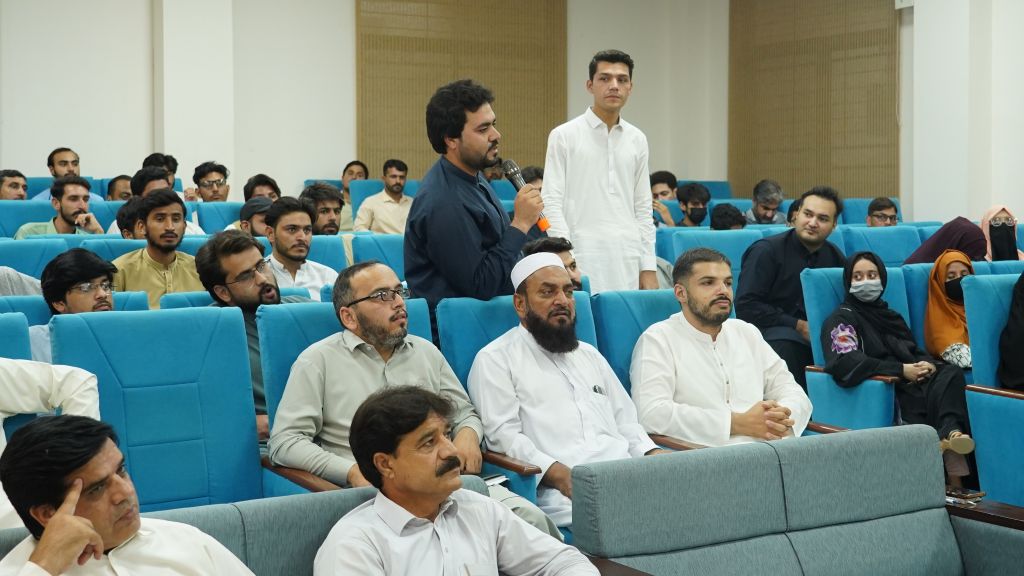
Mardan
Hosted at UET Mardan with 47 participants from local government departments, civil society, academia, media, youth groups, and climate practitioners. The dialogue focused on climate resilience and local governance. Through the "What If Box" methodology, participants proposed interventions including improved drainage systems, expanded green spaces, and citizen-led awareness campaigns.
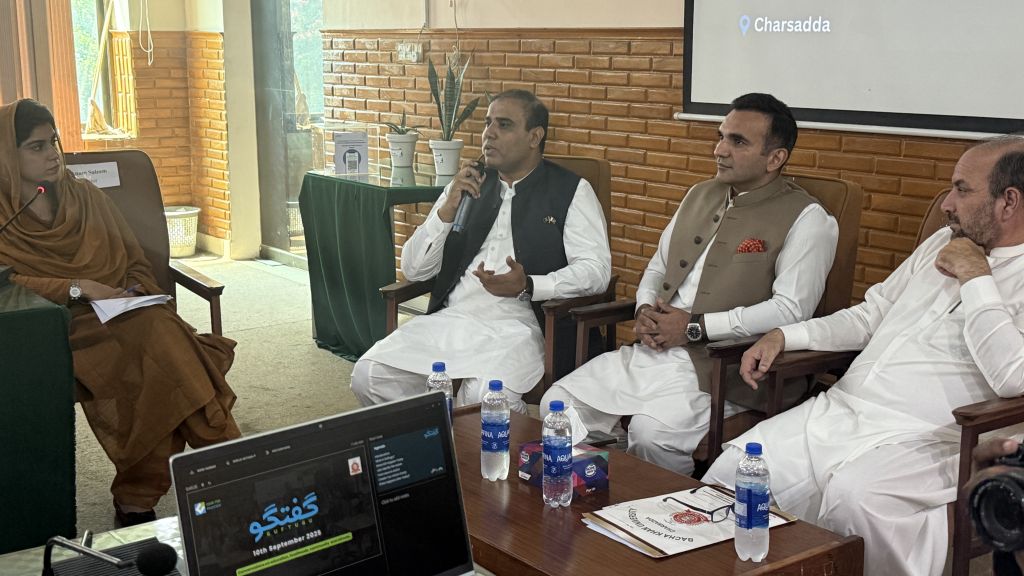
Charsadda
Convened at Bacha Khan University Charsadda with 46 participants. Discussions centred on infrastructure gaps, youth employability, education quality, energy shortages, and waste management. The dialogue identified ten local changemakers and led to the emergence of a fortnightly Guftugu culture for continued structured conversations on community priorities.
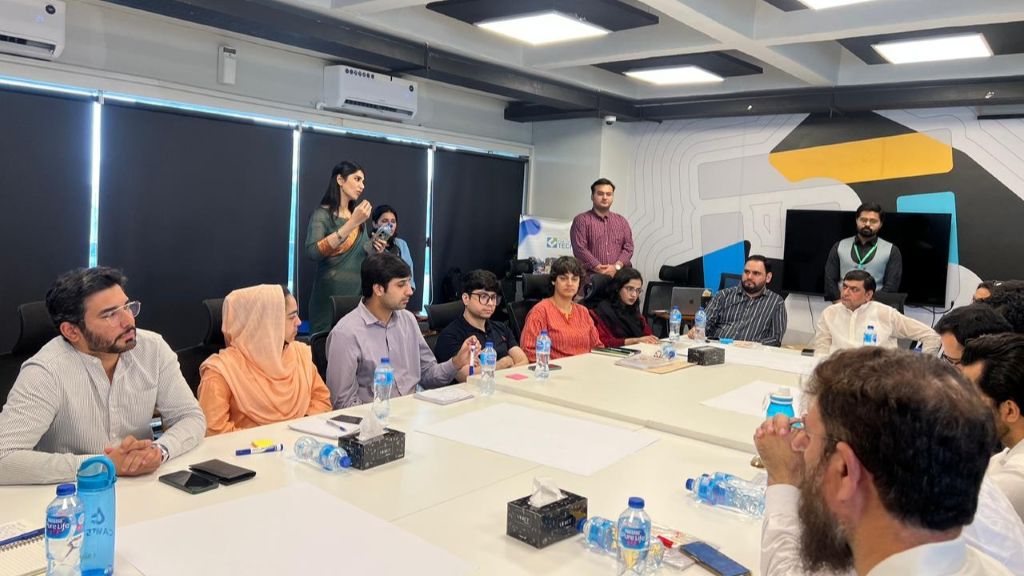
Lahore
40 participants from Punjab EPA, universities, media, civil society, and private-sector representatives. Focused on smog and air quality, participants co-developed a 90-Day Action Plan centred on student awareness, youth engagement, and early-stage citizen action on air pollution. The Guftugu led to follow-up dialogues and alignment with the Chief Minister of Punjab's Green Credit Program.
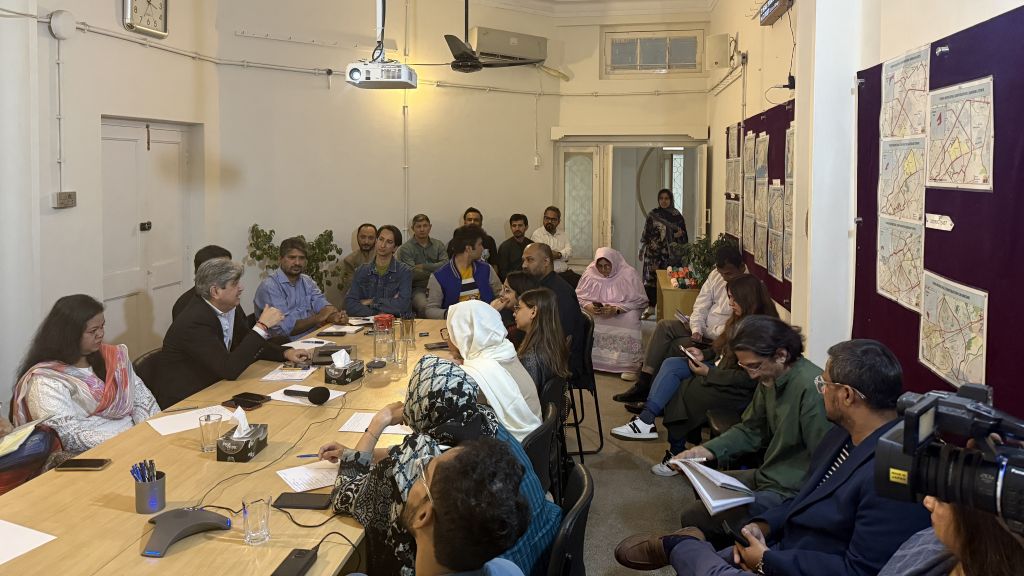
Karachi
Held in collaboration with the Climate Action Centre with 30 participants. The discussion on solid waste management led to agreement on the Karachi Commitment Card and the establishment of a Citizen R&D Cell , a volunteer-driven platform designed to strengthen citizen-government feedback loops and support inclusive policy implementation.
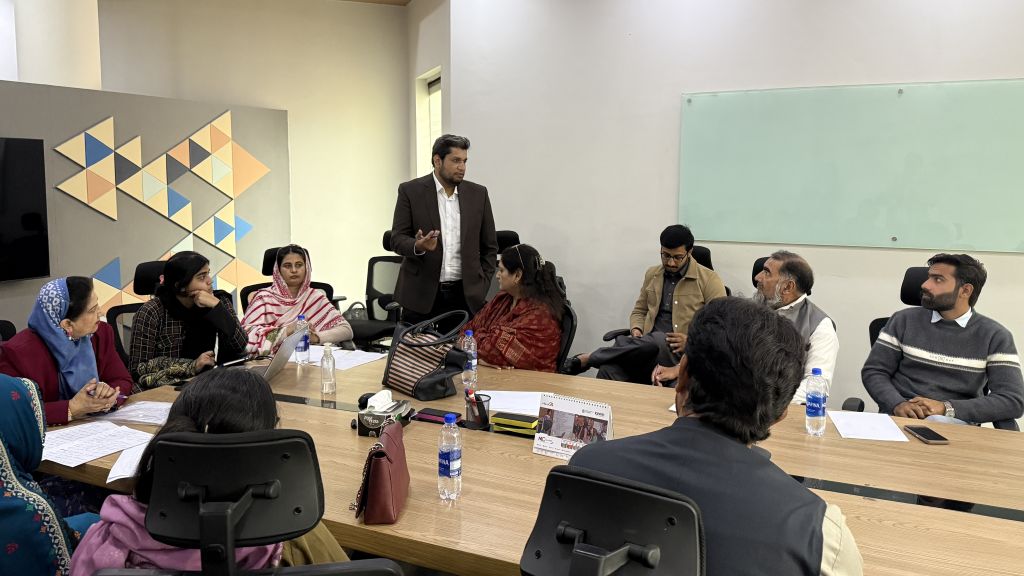
Faisalabad
Convened at the National Incubation Centre Faisalabad to examine the gender divide in agricultural technology. A key outcome was the collective decision to establish a Faisalabad Leadership Circle, a farmer-centred collaboration framework intended to translate dialogue into coordinated action and strengthen women's agency in Faisalabad's agri-tech ecosystem.
Communities thrive when they know they are seen, heard and valued. When people recognise that they hold power and are active decision makers, their outlook shifts. Trust at the grassroots level is key to long-term sustainability and meaningful change.
KP Women Civic Digital Internship
In 2025, over the course of 6 months, 18 interns strengthened technical, digital, and professional skills through hands-on civic technology projects.
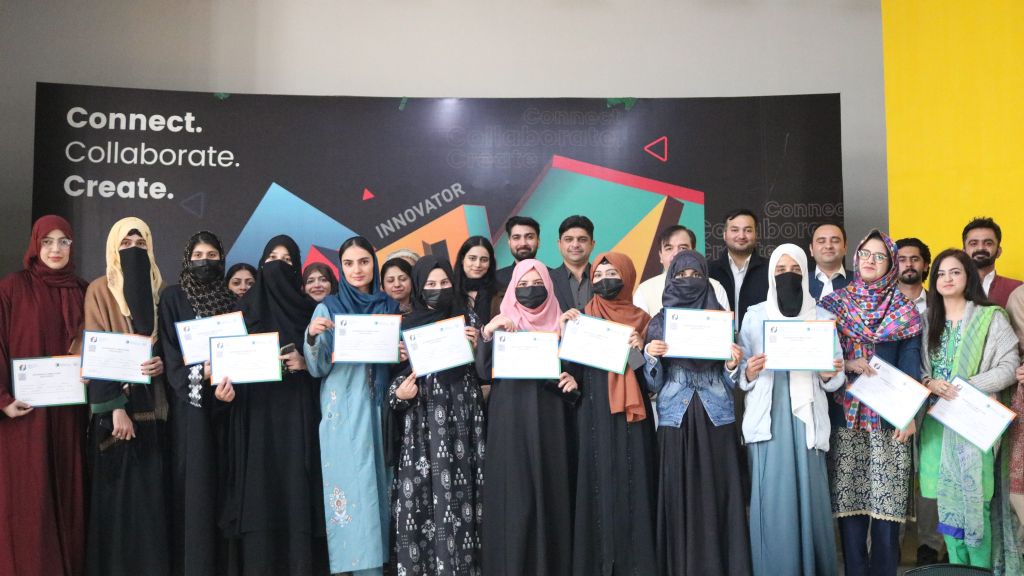
Key Highlights
- Over 30 external training sessions delivered by domain experts and practitioners from CfP's network
- Four project prototypes developed by the women interns:
- AI-powered Monitoring & Evaluation for development projects
- Air Quality Monitoring & Reporting Platform
- Online Booking System for Youth Hostels and Guest Houses
- Research Repository and Scientist Directory
- Skill-building focused on AI/ML, web and mobile development, UX/UI design, and project management
- Evaluations by KPITB officials noted measurable growth from mid-term to final assessments
Civic Innovator Program
Student teams under the Civic Innovator Program developed six projects for government departments in 2025, delivering initial prototypes that were handed over to the respective departments for testing and refinement.
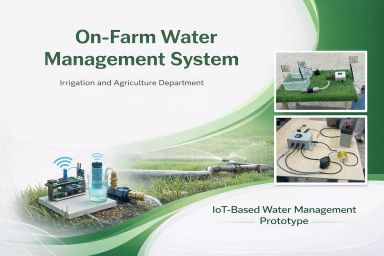
On-Farm Water Management
Irrigation & Agriculture Department
A prototype system to monitor farm-level water usage through integrated hardware and software components, strengthening evidence-based water management and sustainable irrigation practices. The CECOS University team won a HEC final year project competition.
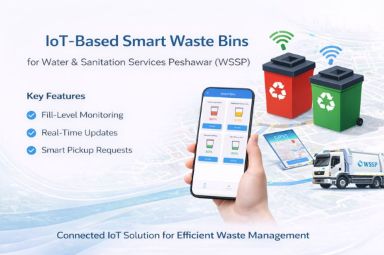
Smart Waste Management
Water & Sanitation Services Peshawar
IoT-based prototype with sensor-based waste bin monitoring, timely alerts on bin fill levels, and improved coordination between field teams and management for data-informed waste collection planning.
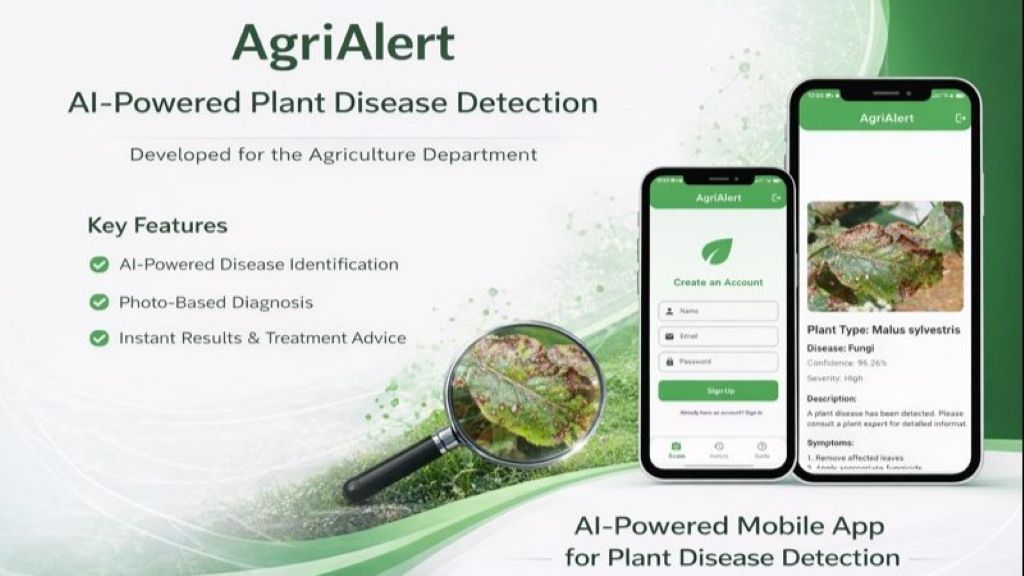
Outbreak Management System
Agriculture Department
AI-powered application for plant disease detection and outbreak identification, aimed at strengthening early warning mechanisms and supporting faster, data-driven disease detection.
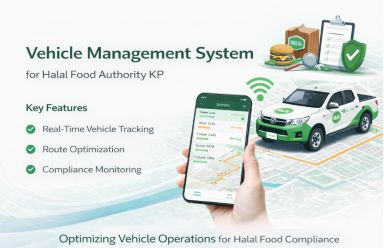
Vehicle Management System
Government Fleet Operations
Digital system supporting fleet tracking, allocation workflows, and maintenance scheduling to improve transparency, reduce misuse of public assets, and optimise fleet utilisation.
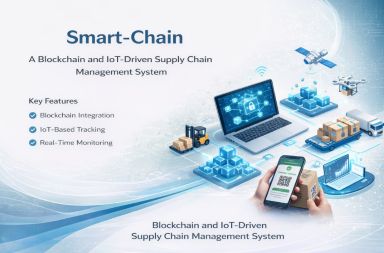
Supply Chain Management
Public Procurement & Inventory
Prototype to digitise procurement workflows and inventory tracking, introducing greater transparency, efficiency, and traceability into government supply chains.
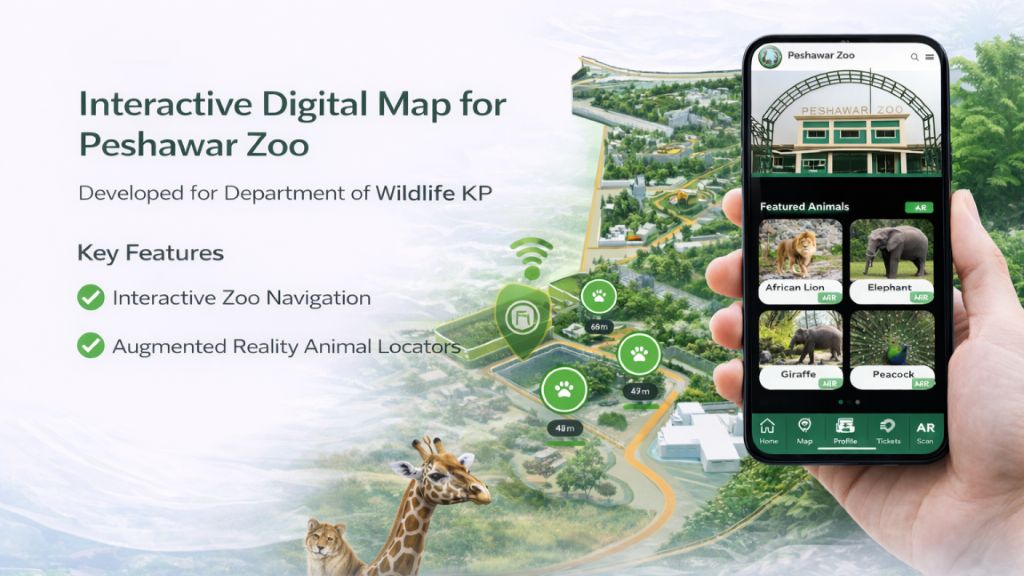
Peshawar Digital Zoo
Department of Wildlife
Interactive digital system to enhance visitor information, engagement, and administrative coordination while supporting more efficient day-to-day management.
Collectively, these projects highlight the strength of multi-institutional collaboration between students, universities, government departments, and CfP. The Civic Innovator Program creates pathways for youth to engage with civic challenges early in their academic and professional journeys, nurturing a generation of technologists and leaders committed to public service, civic responsibility, and collaborative governance.
Community
Strengthening local leadership, building civic capacity, and creating sustainable pathways for ongoing civic engagement.
Civic Innovation Labs
Civic Innovation Labs (CILs) are now operational in three universities, serving as dedicated hubs for youth-led civic technology and public problem-solving.
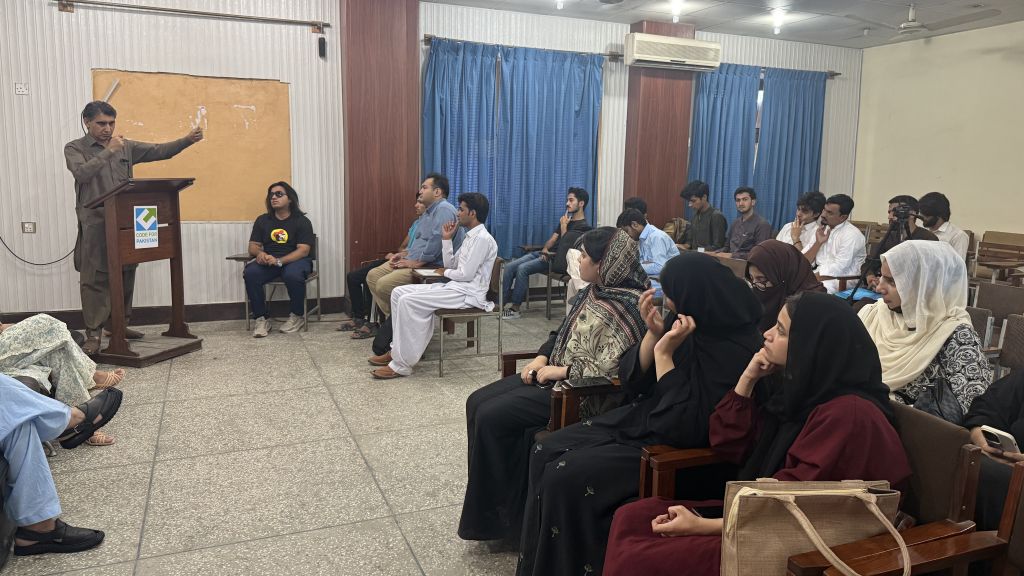
Through these labs, students receive structured capacity-building support, including hands-on workshops, sustained technical mentorship, and exposure to real governance challenges in collaboration with public sector institutions. Beyond skills development, the CILs promote civic engagement as a long-term practice rather than a one-time intervention, encouraging students to view participation in public life as a continuous responsibility.
Mapping and Collaboration
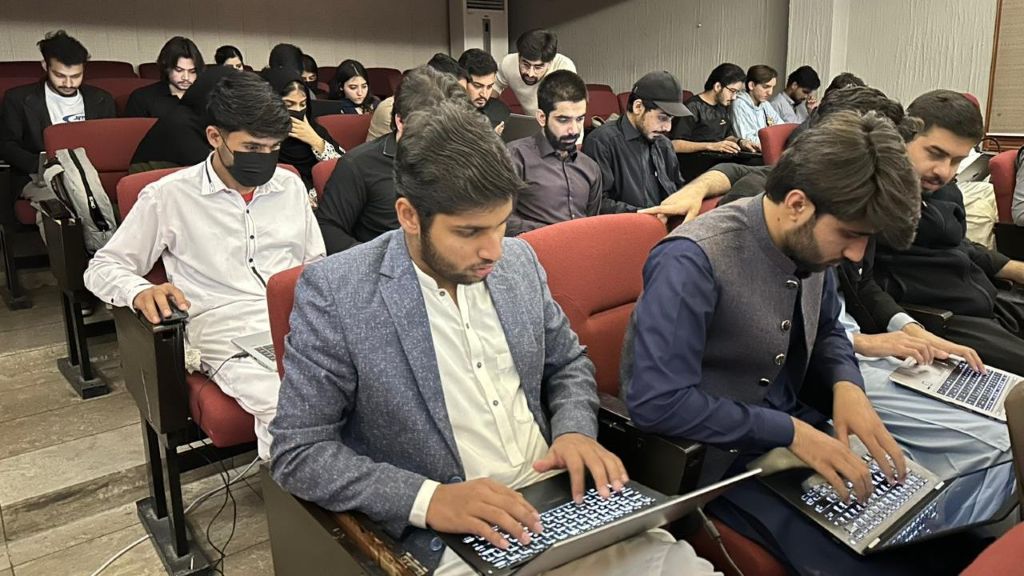
In November 2025, Code for Pakistan conducted a Mapathon as part of its Civic Innovation Labs initiative, in partnership with CILs at CECOS University, Peshawar and Lahore Garrison University. The Mapathon engaged over 200 students in hands-on civic mapping and climate data challenges using OpenStreetMap and MapRoulette.
Our Volunteers: From Awareness to Action
Code for Pakistan's volunteers are central to translating civic dialogue into tangible impact. Across 2025, youth and community engagement have taken multiple forms, from campaigns and civic labs to volunteer-driven mapping initiatives.
#SmogWarriors — Citizen-led Air Quality Advocacy
Following the Lahore Guftugu on air pollution, we mobilised volunteers as #SmogWarriors, turning awareness into action. Through digital and offline activities, volunteers share real-time Air Quality Index (AQI) updates, fact-based posts, polls, infographics, and health-based content. They organise discussions on campus and in communities, building a youth-led network advocating for clean air and climate action.
documenting smog conditions
informing the public
engaging peers & authorities

Spotlight: Ammaz Khan
Humanitarian Mapping for Flood Relief
Ammaz Khan, a Code for Pakistan Volunteer, won the Flood Hackathon organised by The Enlight Lab. He demonstrated how volunteer mapping and open-source data can strengthen flood relief and disaster preparedness by using OpenStreetMap. His solution supported NGOs in local disaster response by utilising AI, creating early warning systems, providing drone rescue insights, and developing hygiene support solutions.
This initiative shows how CfP volunteers can transform civic engagement into data-driven, community-focused action across Pakistan.
Looking Ahead to 2026
In 2026, we will build on the momentum of 2025 to advance civic participation and government innovation in ways that are both bold and measurable. Our vision is to deepen trust and collaboration between citizens and government, expand human-centred digital systems across more departments, and ensure that local voices meaningfully shape public policies and services.
We will strengthen two-way feedback between communities and institutions, nurture a new generation of youth civic leaders, and scale inclusive, community-driven solutions across cities and sectors.
Through this work, we aim to help cultivate a culture where technology, transparency, and civic engagement reinforce one another — where democratic values are not merely discussed but practised, felt, and strengthened in everyday life across Pakistan.
As we step into 2026, I do so feeling hopeful and deeply energised by this community. We'll build on the momentum of 2025 by working even more closely with citizens and the government, expanding digital systems, and ensuring that local voices truly shape public decisions. By strengthening feedback loops and investing in youth leadership, we're creating a culture where technology, transparency, and civic participation come together, not just in theory, but in everyday practice. I'm excited for what we'll continue to build, side by side, across Pakistan — all thanks to your participation.