
When heavy monsoon rains hit Mardan in 2025, the city’s vulnerabilities were impossible to ignore. Fragile drainage systems overflowed, infrastructure struggled to cope, and communities bore the brunt of a growing climate crisis.
According to the Provincial Disaster Management Authority (PDMA), at least 71 people lost their lives across Khyber Pakhtunkhwa in rain-related incidents, more than half of them children, with dozens more injured. Beyond the immediate devastation, these events exposed deeper systemic challenges: rapid urbanisation, outdated infrastructure, and governance gaps that limit timely and effective responses.
Beyond infrastructure and governance, a deeper issue persists: the absence of a shared platform where citizens, institutions, media, and policymakers can come together to discuss challenges, align solutions, and collaborate.
Without such spaces for dialogue, efforts remain fragmented, and opportunities for collective action are lost.
Creating Space for Dialogues
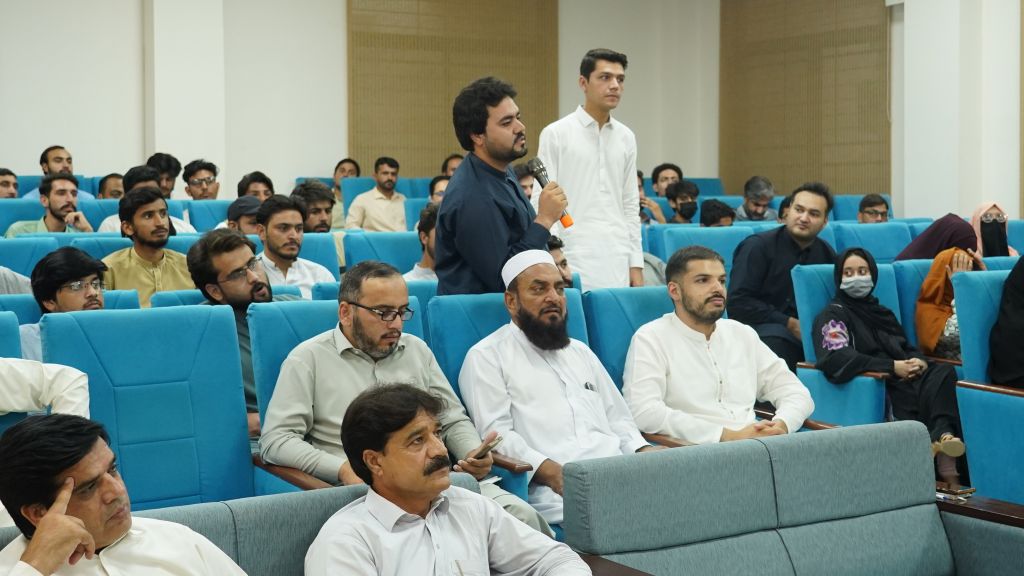
To address this gap, Code for Pakistan organised the Guftugu Civic Town Hall, Mardan, co-hosted with Durshal Mardan at the University of Engineering & Technology (UET) Mardan in August, 2025.
The groundwork began with a coordination visit by CfP’s team, who met with the team at Durshal Mardan, to introduce the Guftugu concept. This was followed by a joint planning process that shaped the event’s theme, stakeholder outreach, and logistics.
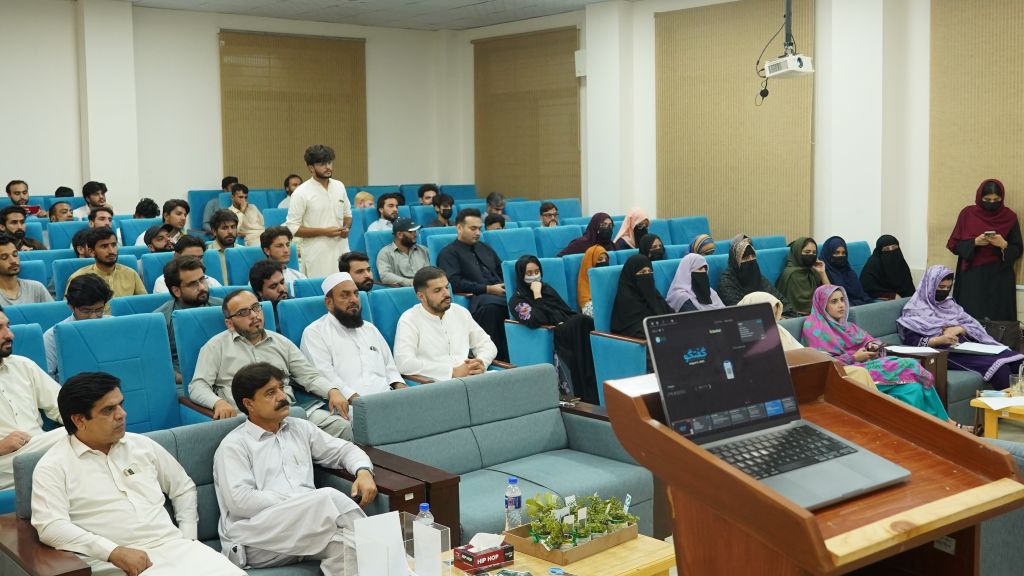
The town hall brought together a diverse group of participants, including students, citizens, civil society representatives, government officials, academics, and media professionals, ensuring a balanced and inclusive dialogue. Partners such as Durshal Mardan, WSSC Mardan (Water and Sanitation Services Company), and UET Mardan contributed technical expertise, academic insights, and local context.
Highlights from the Dialogue
At the center of the event was a panel discussion moderated by CfP’s Karishma Zakaullah, featuring voices from governance, academia, service delivery, and media.
A shared concern emerged: Mardan is increasingly vulnerable to climate impacts. Panelists highlighted how rising rainfall intensity, combined with rapid urban encroachment, is worsening flooding and waterlogging, while drainage infrastructure continues to lag behind the city’s growth.
The discussion then shifted toward solutions.
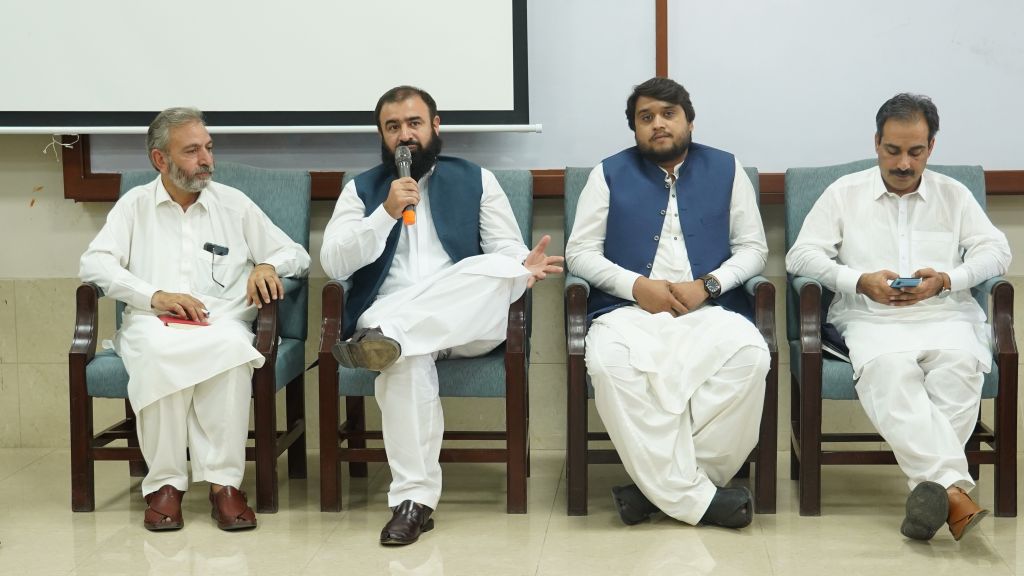
From academia, Dr. Gul Muhammad, Vice Chancellor of UET Mardan, highlighted the role of universities in driving climate action. He shared that climate education has been made mandatory across disciplines, with nearly 60% of the campus powered by solar energy. He also pointed to ongoing work on AI-based environmental monitoring tools and student-led innovations, including leakage detection systems developed in collaboration with WSSC.
From a governance perspective, Mr. Rahim Shah, Chairman of the Union Council Mardan, spoke candidly about structural constraints. He highlighted the lack of funding and authority at the local level, noting that key decisions such as land use and approvals remain centralized at the provincial level.
On service delivery, Mr. Ishaq Muhammad, Deputy Manager at WSSC Mardan, shared updates on ongoing efforts. He noted that WSSC manages approximately 180 tons of waste daily and is working on major initiatives, including an Rs. 8.5 billion pipeline replacement project. He also highlighted waste-to-energy and recycling programs, alongside digital systems such as SCADA-based monitoring and a water monitoring app.
From the media, Muhammad Waseem, journalist and columnist, emphasized the gap in local climate reporting. He pointed out that coverage often focuses on national narratives, leaving citizens underinformed about local realities. He stressed the importance of reframing the issue as a “climate crisis” and strengthening local storytelling, while also suggesting a role for organizations like CfP and Durshal in training journalists and digital creators.
Across the discussion, key themes emerged:
- The need for community awareness and behavioral change.
- Greater citizen participation in policymaking.
- The importance of localized data and environmental monitoring.
- Improved access to climate financing and global collaboration.
From Dialogue to Action
What set the Mardan Guftugu apart was not just conversation, but what followed.
- 15 participants signed up to volunteer, showing immediate community ownership.
- Citizens actively shared ideas through the WhatIf Box, proposing solutions such as expanding green spaces, fixing drainage systems, and launching awareness campaigns.
- New local action groups were formed to take these ideas forward.
The town hall became more than an event; it became a starting point for sustained civic engagement.
Why Mardan Guftugu Mattered
Mardan Guftugu reinforced a powerful insight:
When given a space to engage, communities are eager to contribute, collaborate, and take ownership of local initiatives.
It highlighted that civic engagement in cities like Mardan is not absent; it is waiting to be activated. By bringing together diverse stakeholders, the initiative helped bridge gaps between citizens and institutions, enabling more inclusive and responsive approaches to urban challenges.
A Way Forward
Mardan’s challenges reflected broader climate and urban realities across Pakistan, but so did its potential.
Building on the momentum from the town hall, Code for Pakistan was committed to sustaining this engagement beyond a single event. The formation of local action groups and the onboarding of new volunteers marked the beginning of continued, community-led efforts to address key challenges such as drainage, waste management, and climate awareness.
In terms of tangible outcomes, following the Guftugu session in Mardan, a volunteer WhatsApp community was established to enable ongoing coordination and engagement among participants. Additionally, students from UET Mardan expressed their commitment to setting up a Civic Innovation Lab at the university, creating a dedicated space to continue working on civic and climate-related initiatives.
CfP supported these groups through follow-up engagement, mentorship, and collaboration with local stakeholders, laying the groundwork for ideas generated during the session to evolve into future on-ground actions.
The event also opened pathways for stronger collaboration with partners, including Durshal Mardan, WSSC Mardan, and UET Mardan, particularly in areas such as:
- Civic innovation and digital tools for service delivery
- Climate awareness and community engagement initiatives
- Data-driven approaches to urban planning and environmental monitoring
Additionally, insights from the Mardan Guftugu informed CfP’s broader approach to replicating this model in other cities, adapting it to local contexts while maintaining a focus on inclusive dialogue and collective problem-solving.
By continuing to connect citizens, institutions, and ideas, initiatives like Guftugu showed the potential to move beyond conversation toward sustained civic participation and systemic change.